
Monthly:August 2025
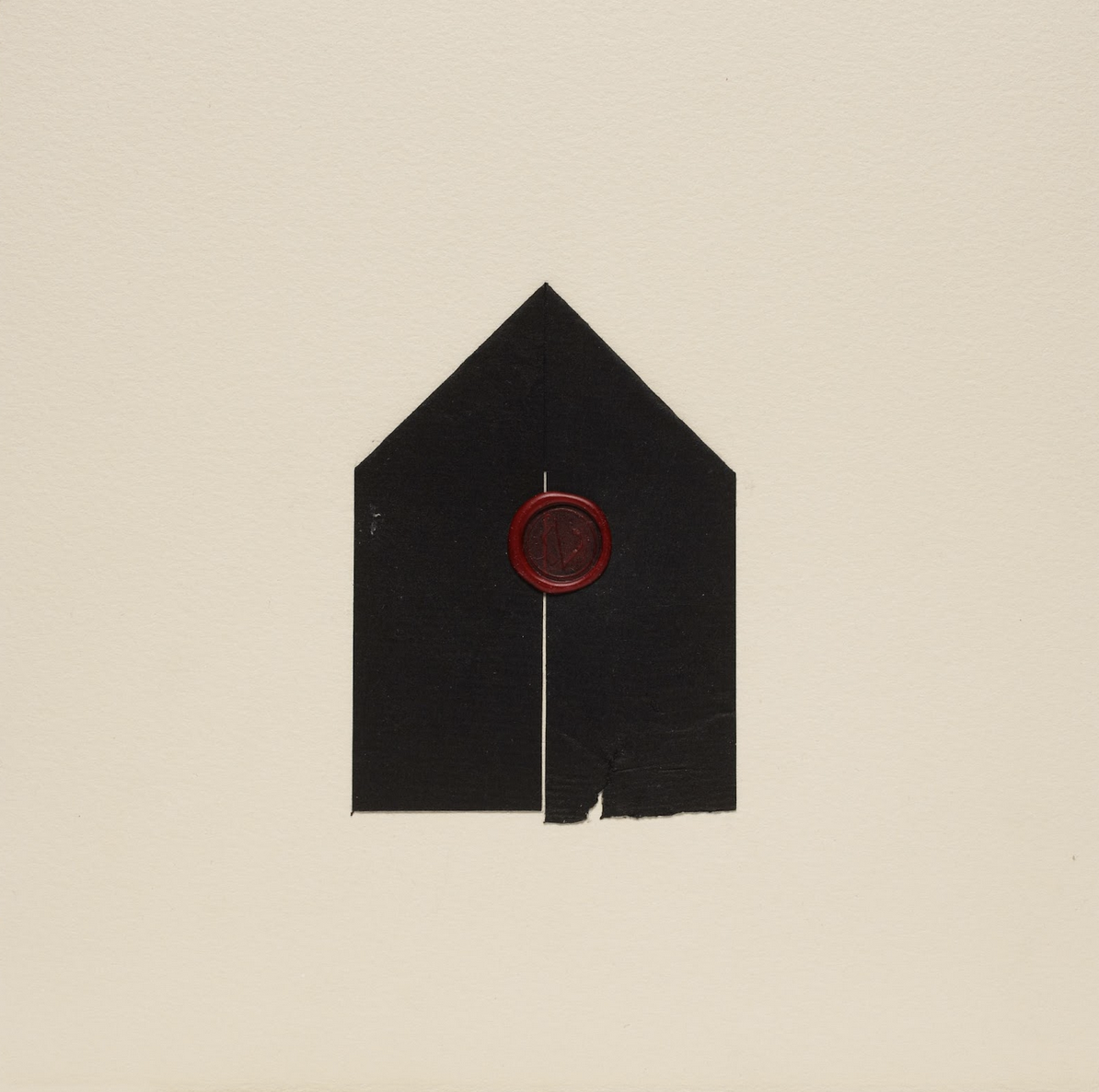
by Naveeda Khan and Sojung Kim By this time if you have read a few of the essays that fall under the term “household,” you will have had the opportunity to see how this most mundane of words helps us understand the diverse arrangements in which people live in postcolonial India and South Korea, as in the rest of the world. You will have also seen how the household is both open to external forces, but also closes in on […]
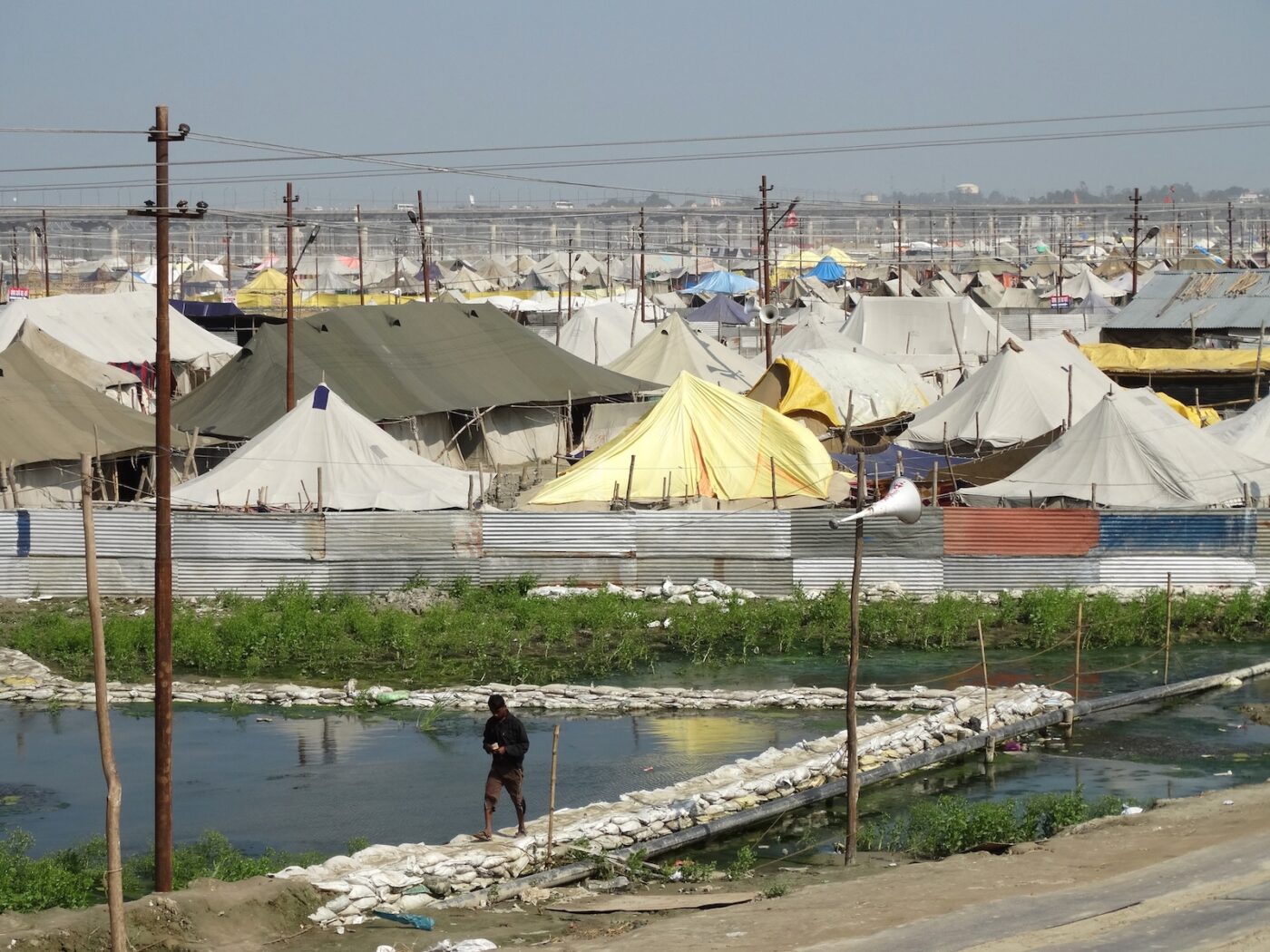
This brief reflection addresses the question “Is the household self-contained?” It does so by considering what might be thought of as a limit case—an ephemeral community of pilgrims who congregate annually for a month-long pilgrimage by the banks of the river Ganga—and looking specifically at the way relationships come to develop among pilgrims.
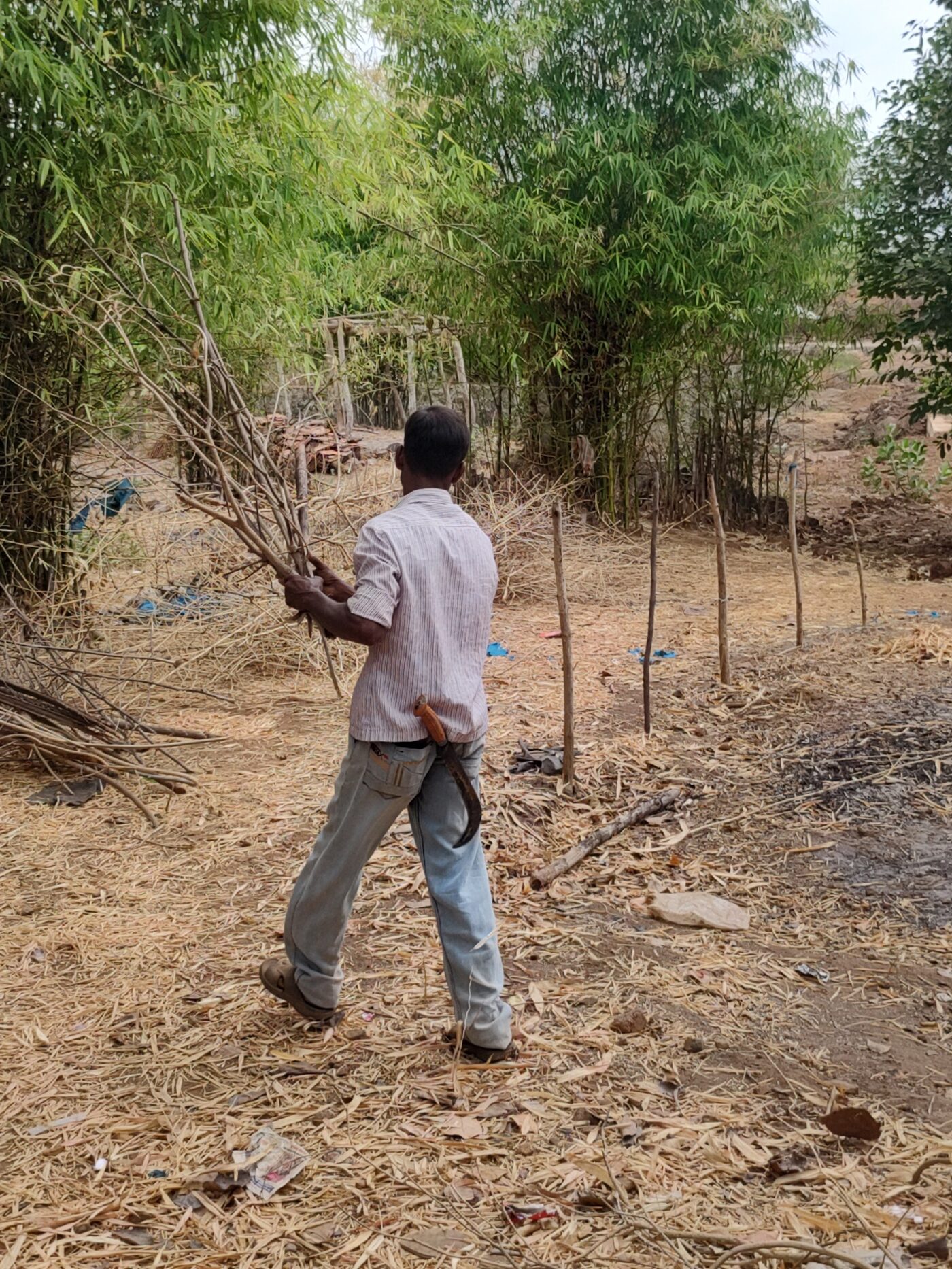
What is it to household under circumstances of hunger and impending displacement? By foregrounding the lives of villagers affected by an unfolding multibillion-dollar land acquisition project in Maharashtra, householding comes into view as a process that emerges from the everyday practices of married women whose ongoing labor secures the saunsaar (world).
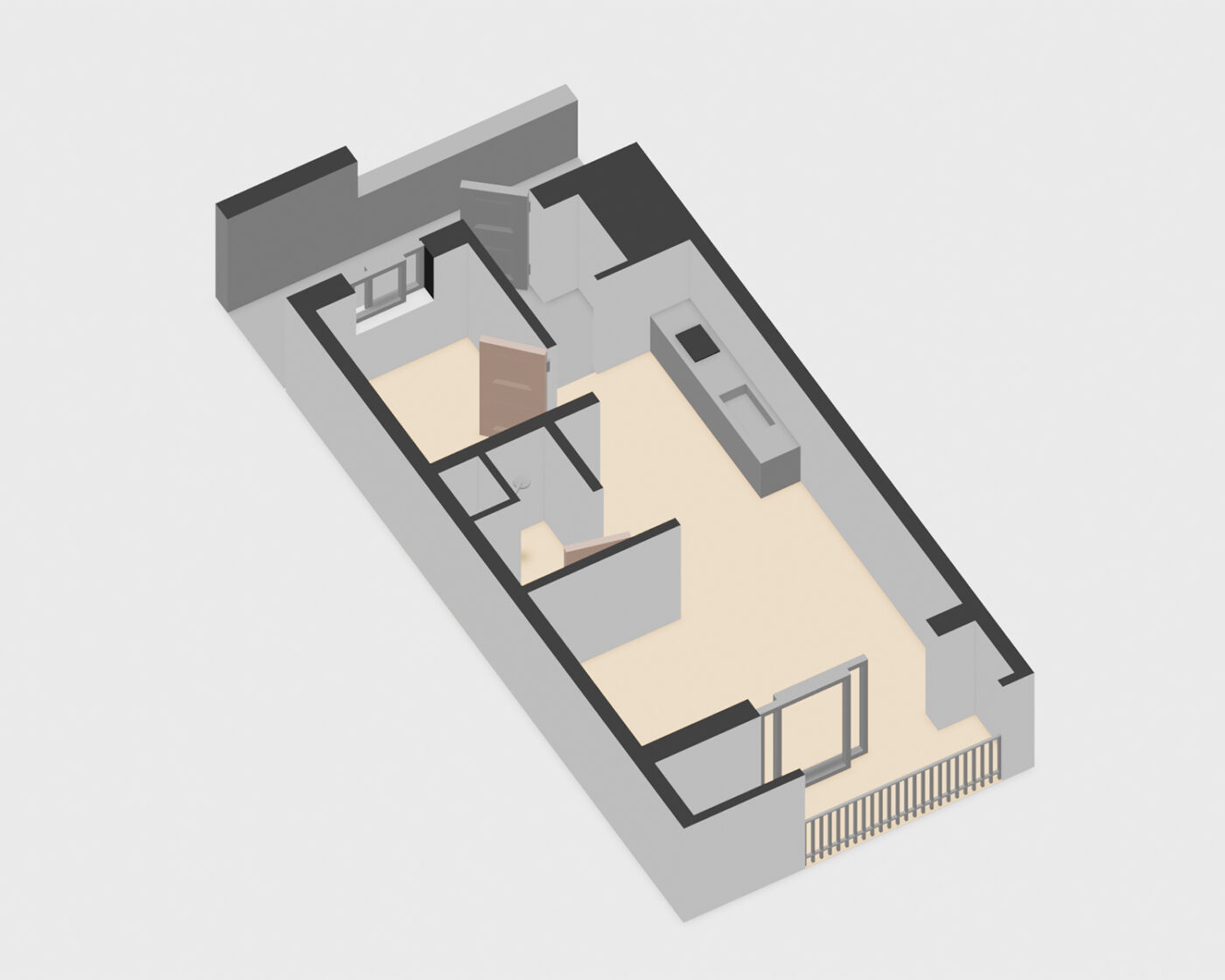
This piece traces the work of ritual in everyday life through an ethnography of Jesa—Korean ancestral rites—among North Korean migrant women living in South Korea. While rituals are often seen as inherited collective practices that socialize individuals into traditional values, the author invites you to consider the unfolding of ritual in the absence of a familiar collective and amid the constraints of state-planned housing.
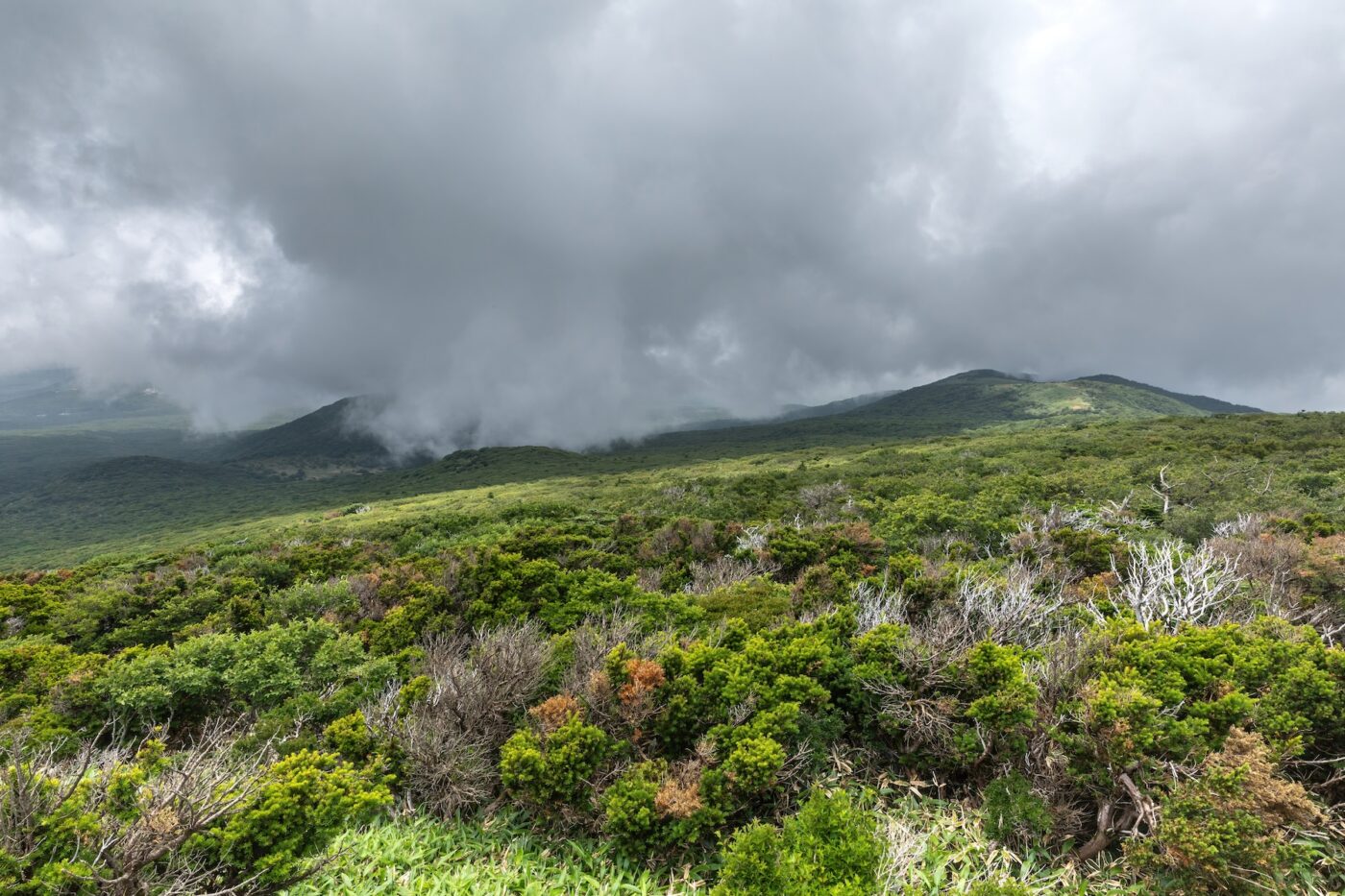
How do survivors of a state atrocity recall its traces? In the drawings and stories of Wan-soon Ko, a Jeju islander who lived through the violence of Jeju 4.3 (Sasam) that unfolded between 1947 and 1954 in South Korea, “householding” became a practice of repair.
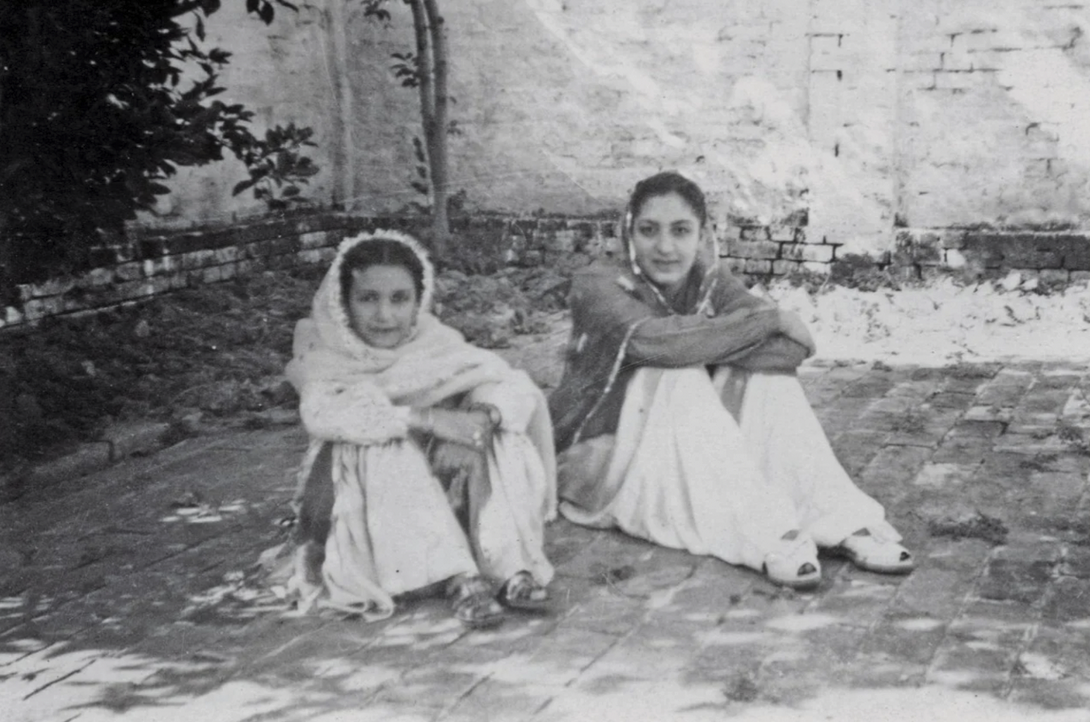
Vines and lizards clamber over the white washed walls of a courtyard home in the Indian city of Aligarh, where the artist Zarina was born and raised. Learn about Zarina’s childhood home, her experiences as a refugee after the 1947 Partition of the Indian subcontinent, her studies at Aligarh Muslim University, and her life as an artist in New York City.
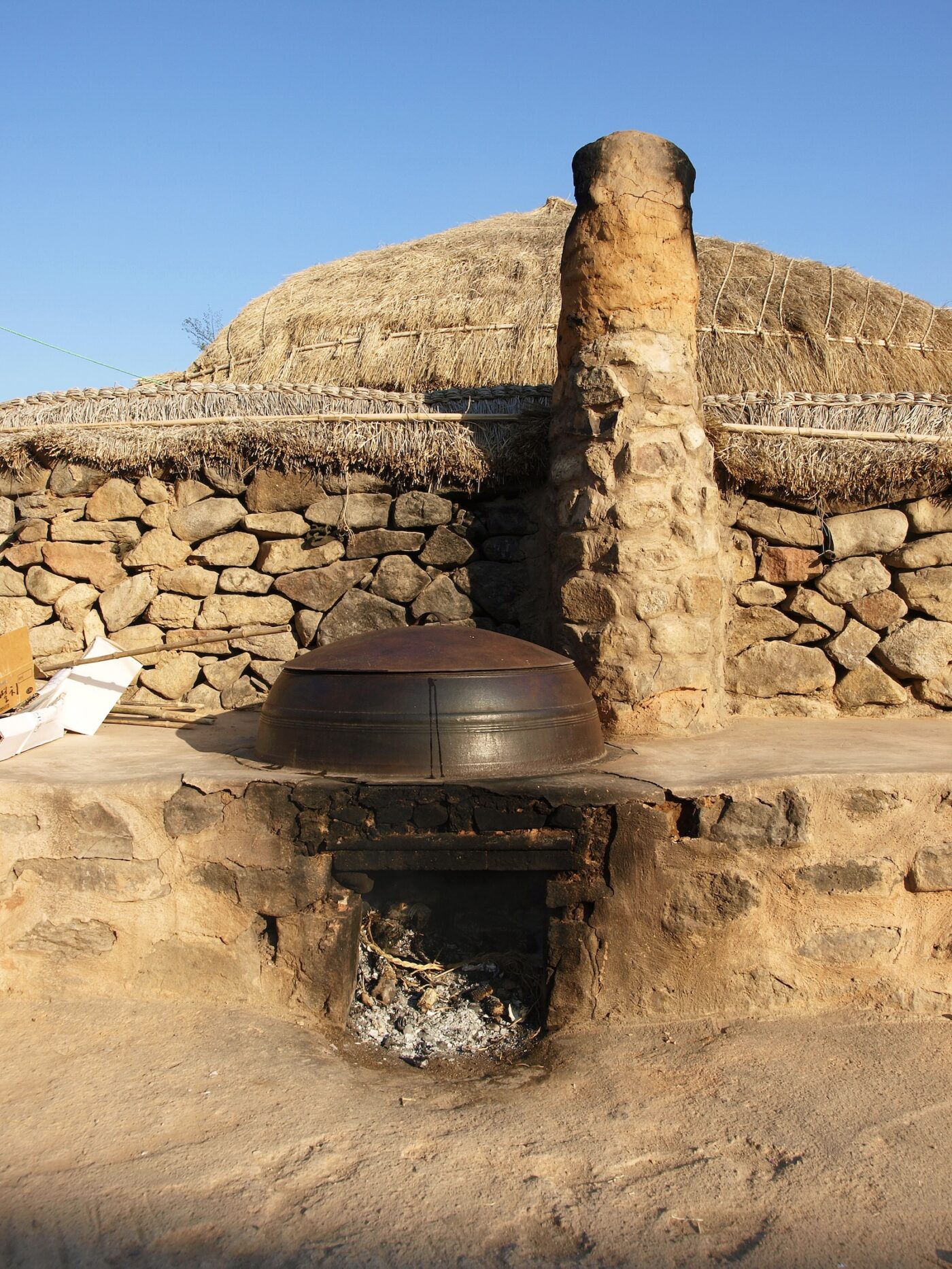
This essay explores the changing meanings of the traditional Korean fireplace (agungi)—from an ordinary yet sacred place overseen by household deities in the 1950s to a target of state-led modernization in the 1970s—as relationships between households, local environments, and spiritual cosmologies were radically transformed.
Anthropologists of India and South Korea, with interests ranging from state violence to pilgrimage, examine how their interlocuters come together to “household” in times of disruption. Using the term as a verb puts emphasis on different aspects of the household than the usual, such as placating one’s ancestors or seeking to create model citizens.
We hope that learning about Damma’s Gbe words has opened up a new window for you into a period of human history that continues to cast its shadow on our present.