Monthly:August 2025
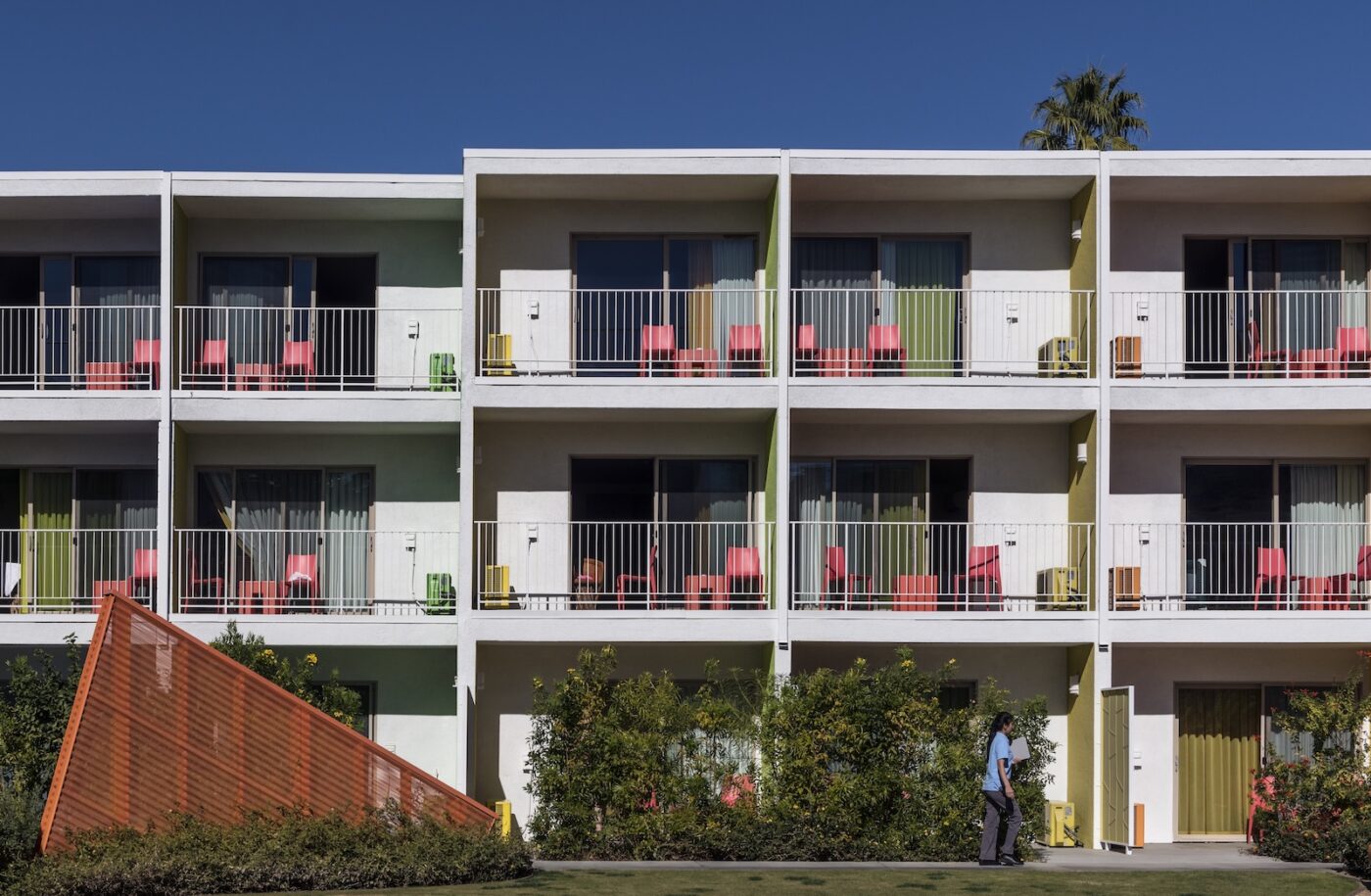
by Lisa H. Sideris To be threatened is to be at risk of endangerment; to be endangered means to be at risk of extinction. The ultimate goal of listing species as threatened or endangered is to one day remove them from such lists. The process of removal, called delisting, can occur because a species has gone extinct or because it has achieved recovery. Fortunately, the percentage of species delisted for reasons of recovery exceeds that of removals owing to extinction—though […]
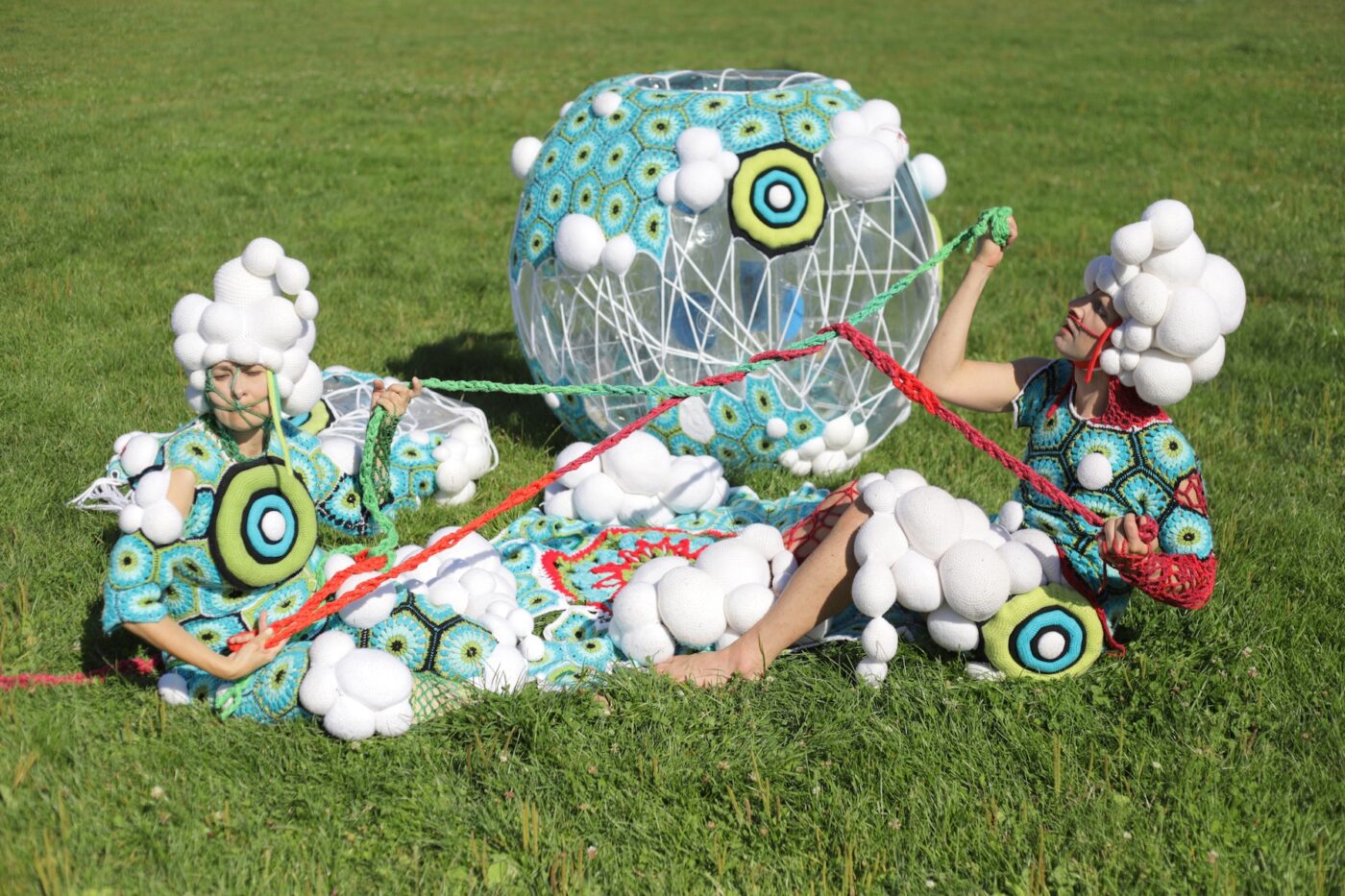
Butterfly metamorphosis, symbolic across many cultures of self-creation and radical change, inspires experiments in performance art and collective transformation of extractivist society.

California dreams of high-energy, far-flung mobility converge and collide with the sacred symbolism of a placemaking butterfly.

A major oil refinery in Southern California discovers an endangered butterfly and a PR campaign is launched.
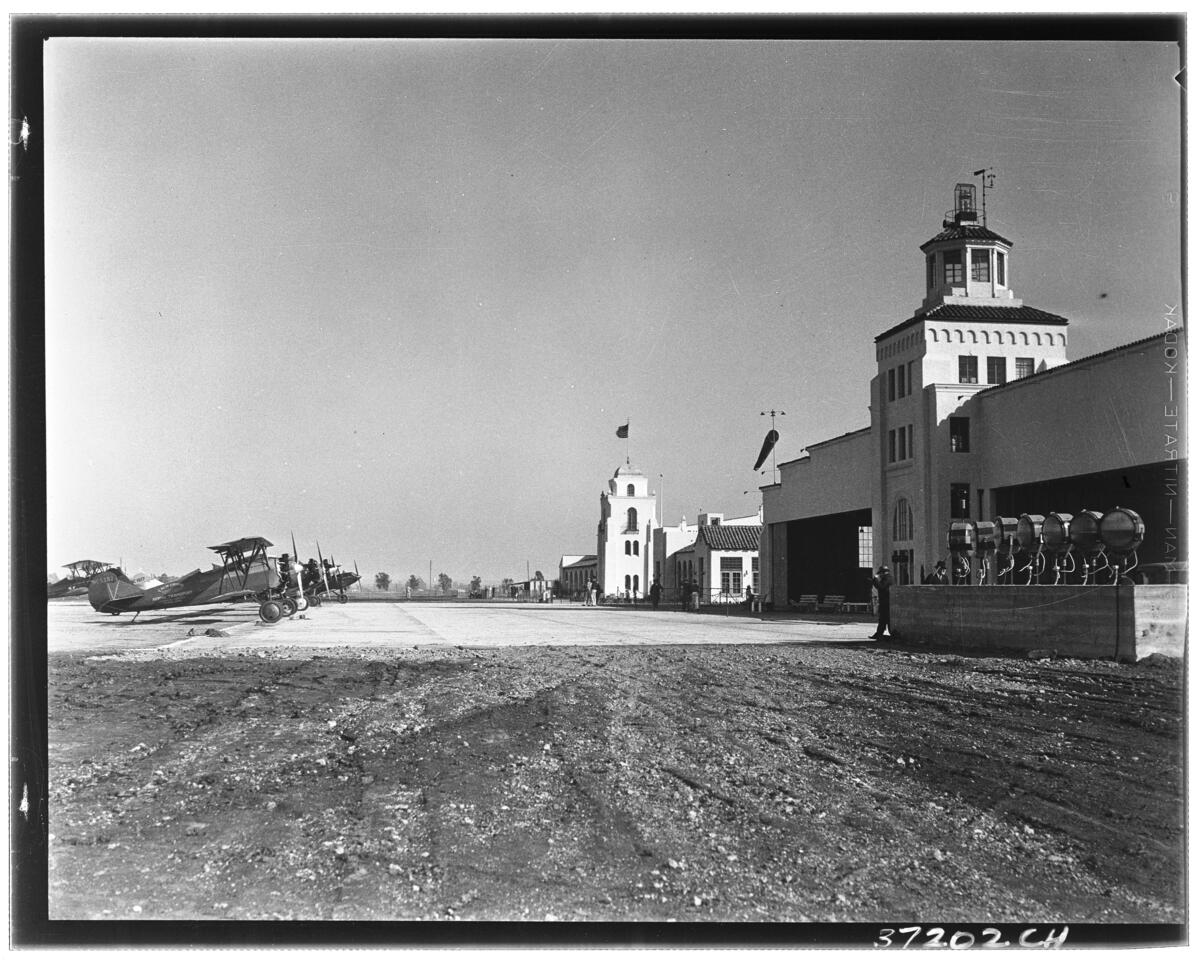
A rapidly expanding airfield came to play a defining role in the survival prospects of the El Segundo blue butterfly.
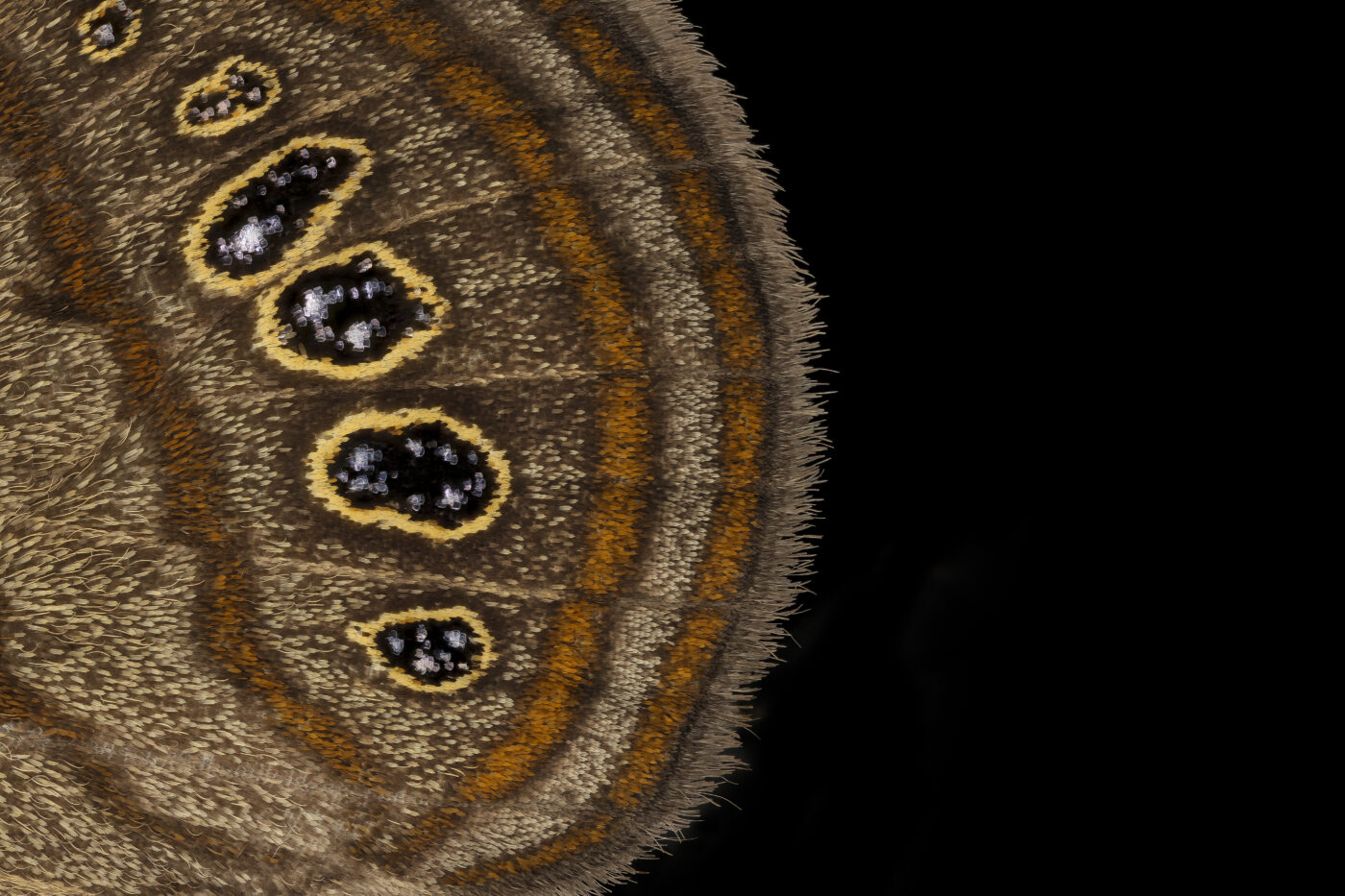
Habitats that appear insignificant and uninviting to the human eye often provide a safe haven for small, invertebrate creatures at risk of extinction.
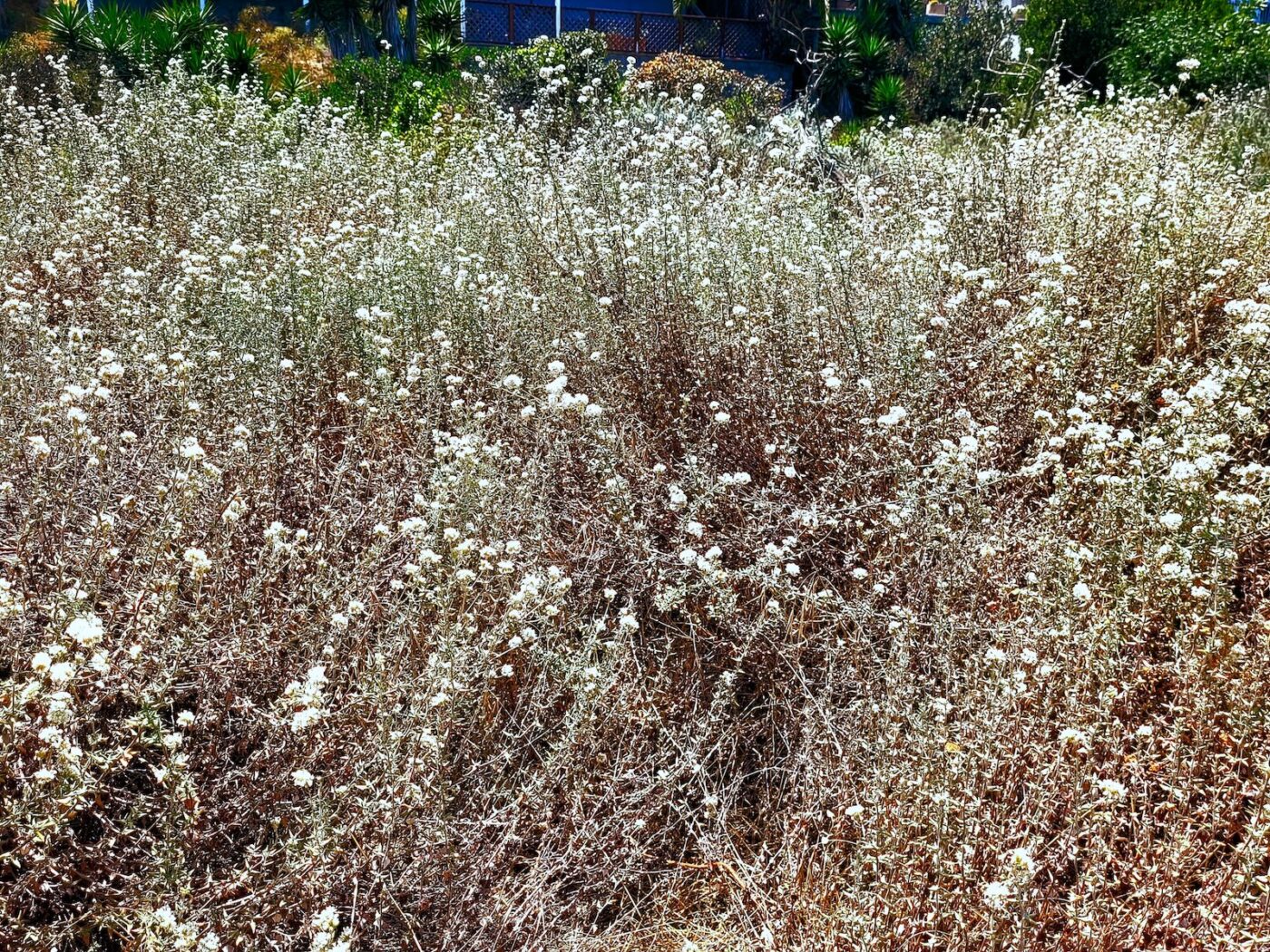
Endangered species have strong preferences too for the places they make their homes, and for some, those requirements are nonnegotiable.
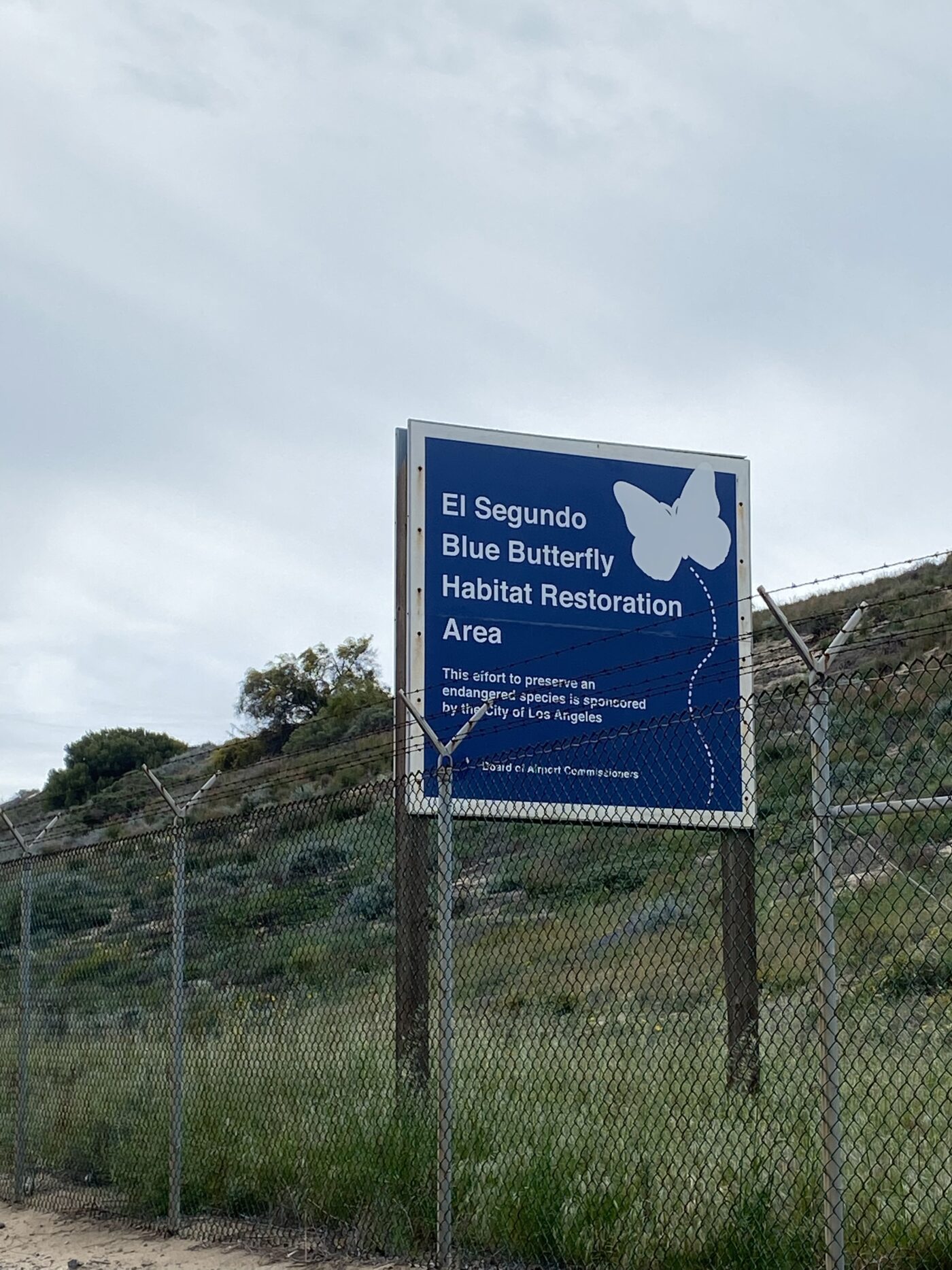
Recognizing species at risk is complicated by human biases, perceptions, and preferences.
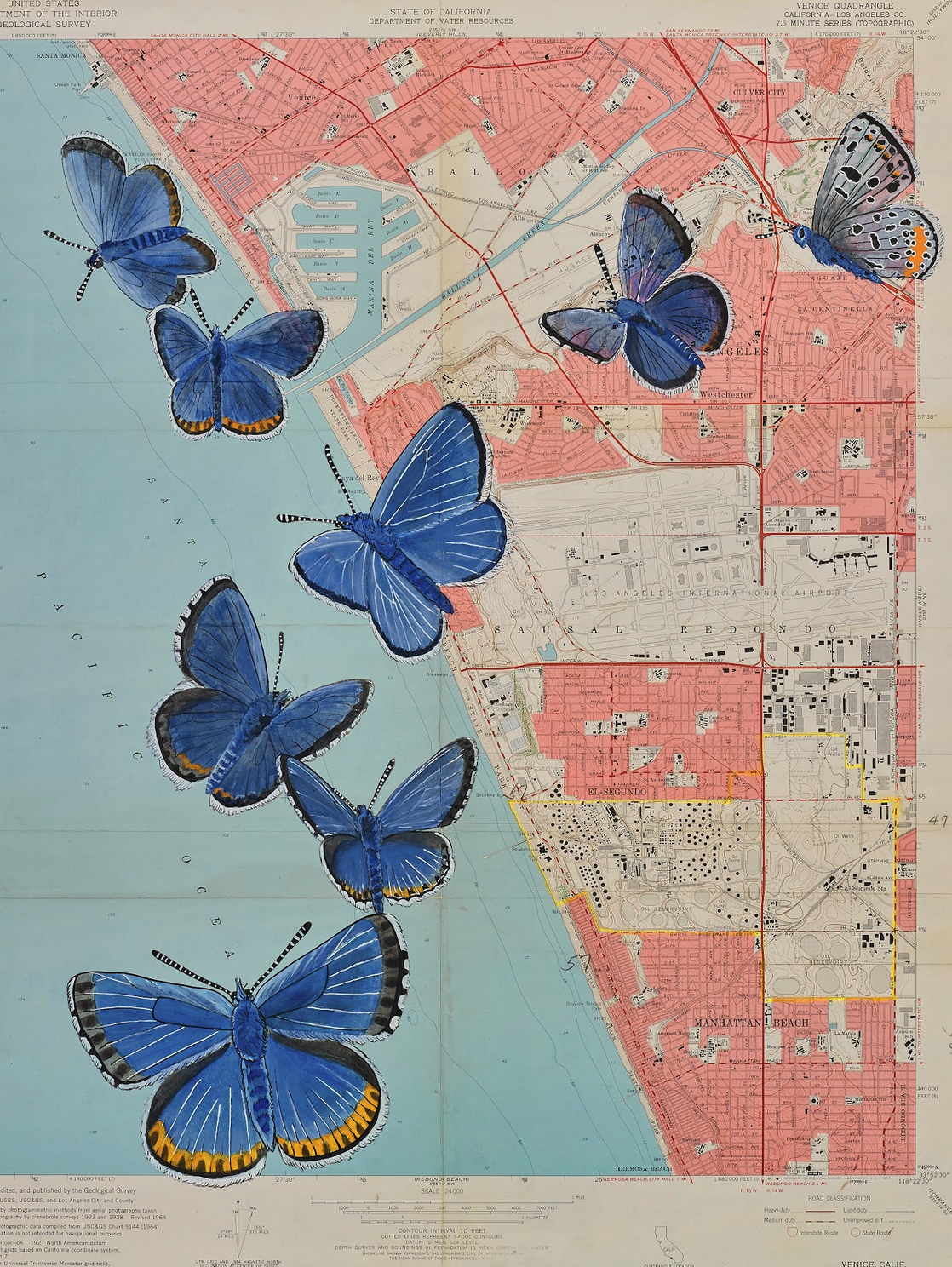
Scholars with interests in endangered species conservation and the environmental impacts of extractivism reflect on how a species comes to be considered for special protections. A red list signals risk and danger but also confers rank and status. Red listing raises questions about who counts, what it means to be protected, and how protected organisms accumulate layers of cultural and spiritual meanings as well as symbolic appropriations.