
Monthly:July 2025
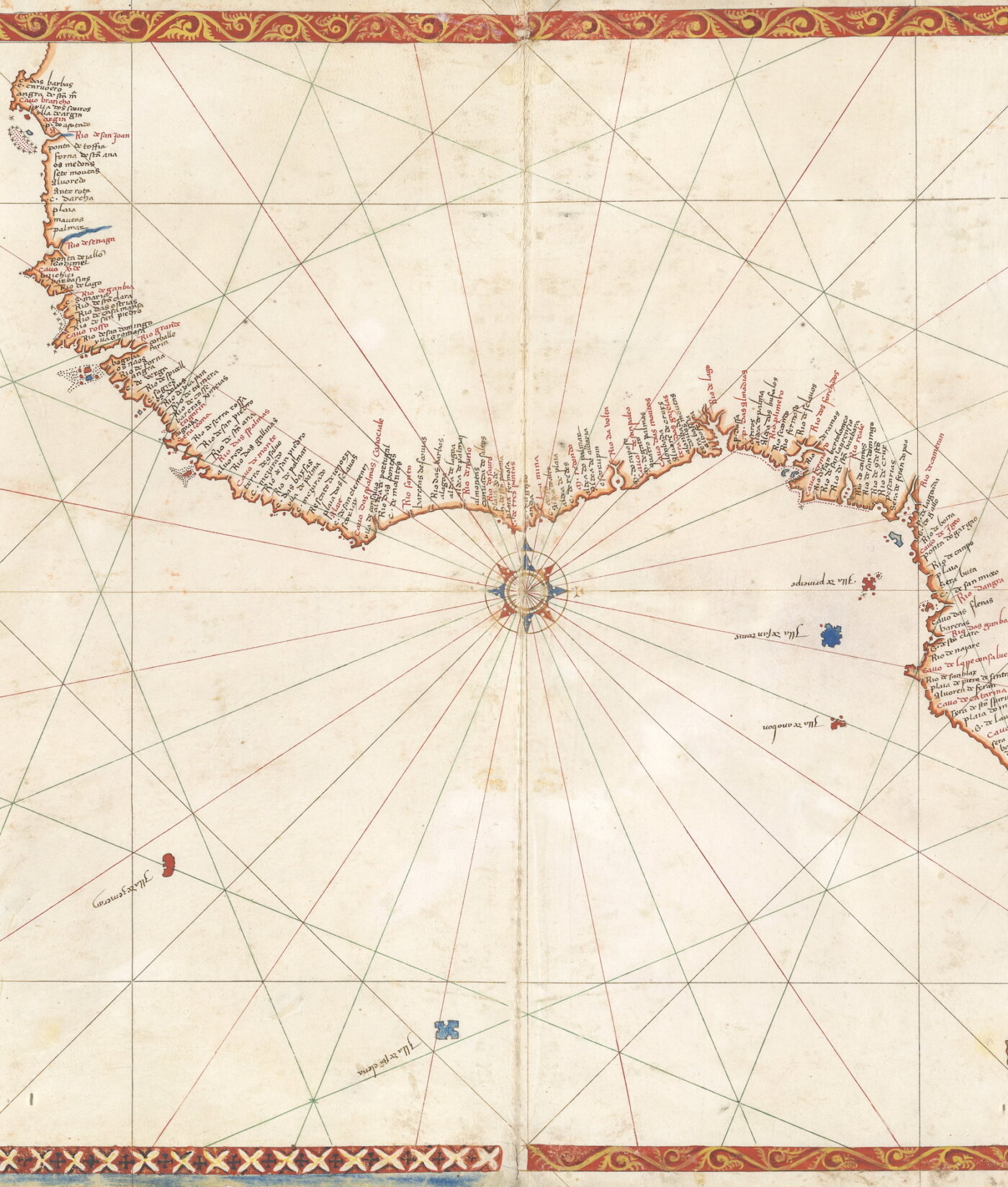
A team of historians, linguists, and curators examines the term adga tome, used by one African woman named Damma in a 1739 petition to the queen of Denmark. The term’s many translations challenge contemporary notions of nation, diaspora, and belonging, and offer a window into the complex world of one eighteenth-century Afro-Caribbean woman.
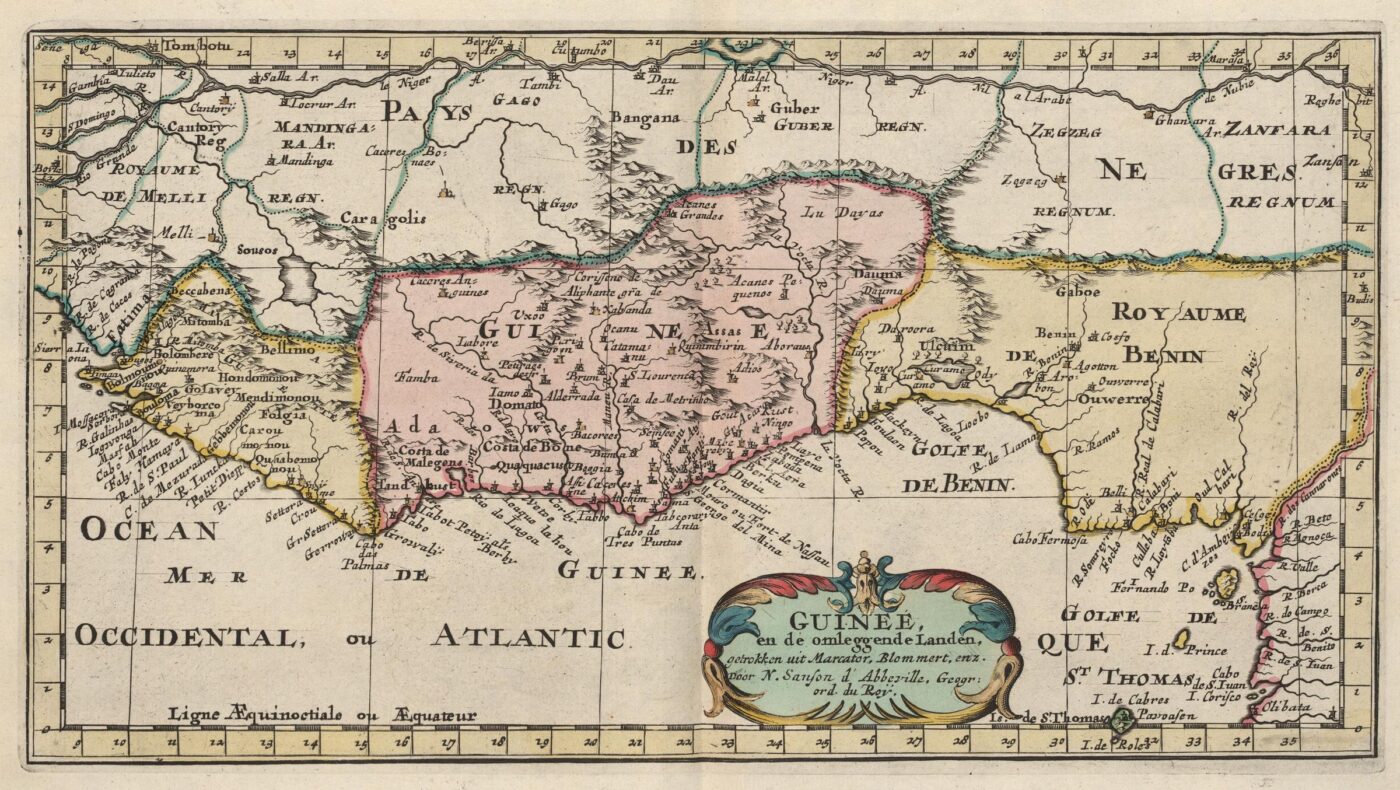
The Gbe language cluster, spoken across West Africa, consists of multiple lects with varying mutual intelligibility. Despite linguistic differences, historical and contemporary evidence suggests strong cross-dialect communication and interaction.
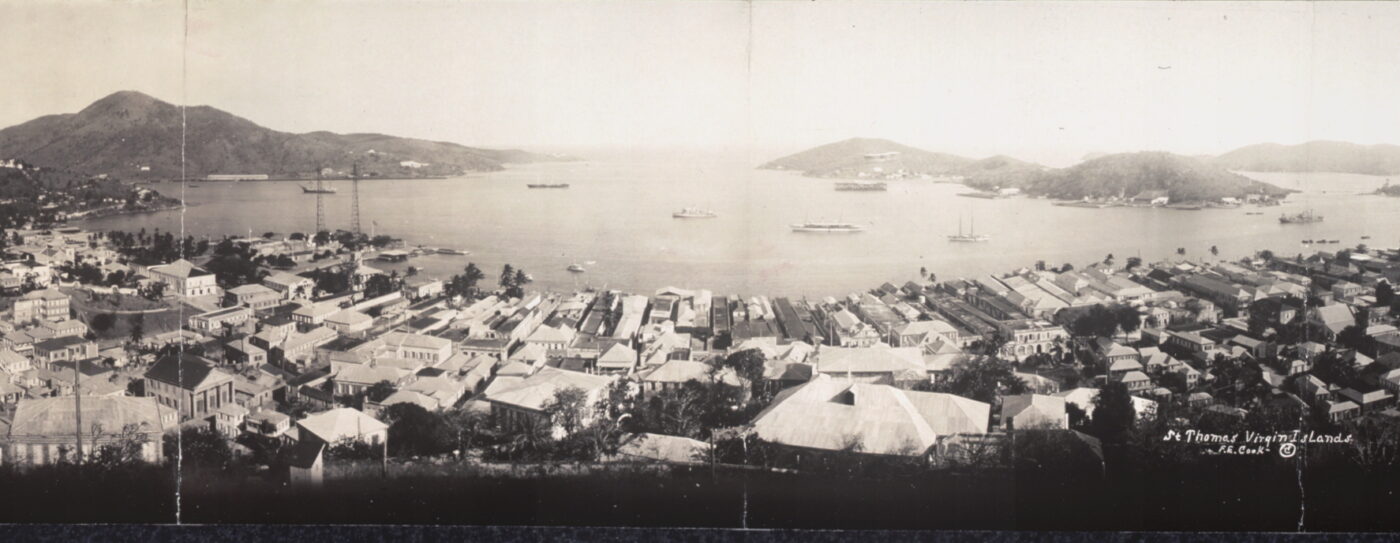
Virgin Islands Dutch Creole emerged in the late seventeenth century, following the colonization and settlement of the Danish West Indies.
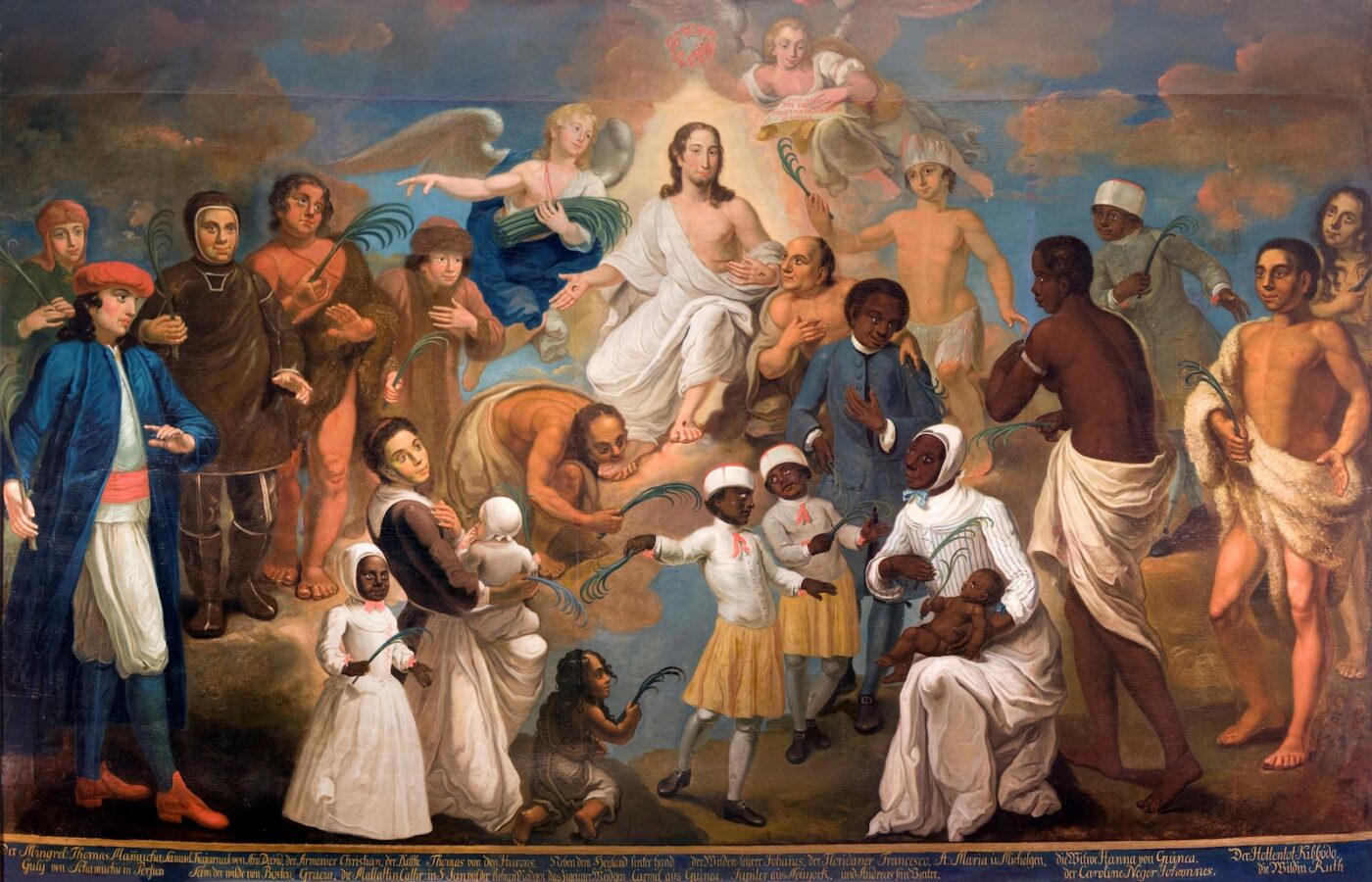
The Moravian mission to St. Thomas—sparked by an Afro-Caribbean man’s plea and sustained by the faith of Black converts like Damma and Rebecca—became a radical experiment in interracial Christianity that challenged colonial power and produced one of the earliest archives of African diasporic writing in the Americas.
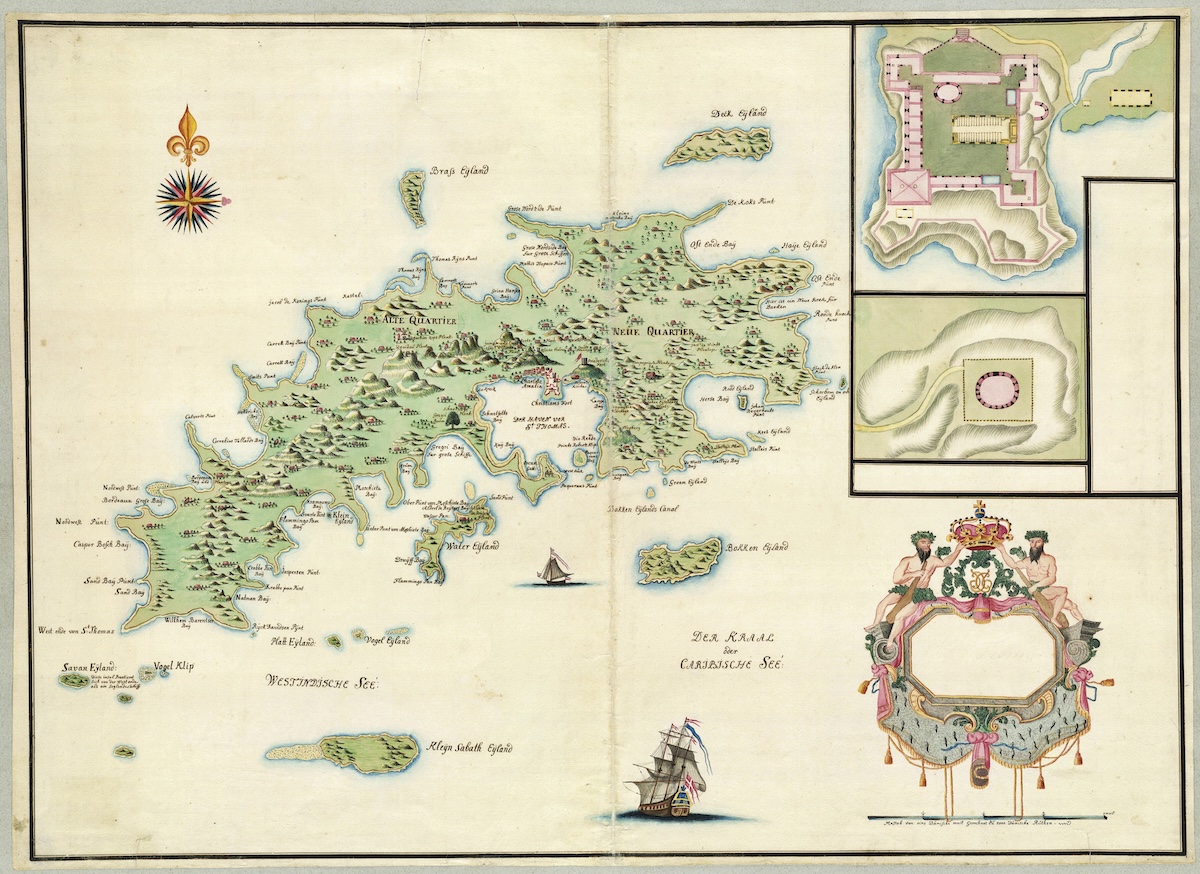
Damma’s life unfolded within the violent, multicultural world of the Danish West Indies, where sugar plantations, racial hierarchies, rebellion, and creole kinship shaped a colonial society built on slavery—that was constantly at risk of being overturned.
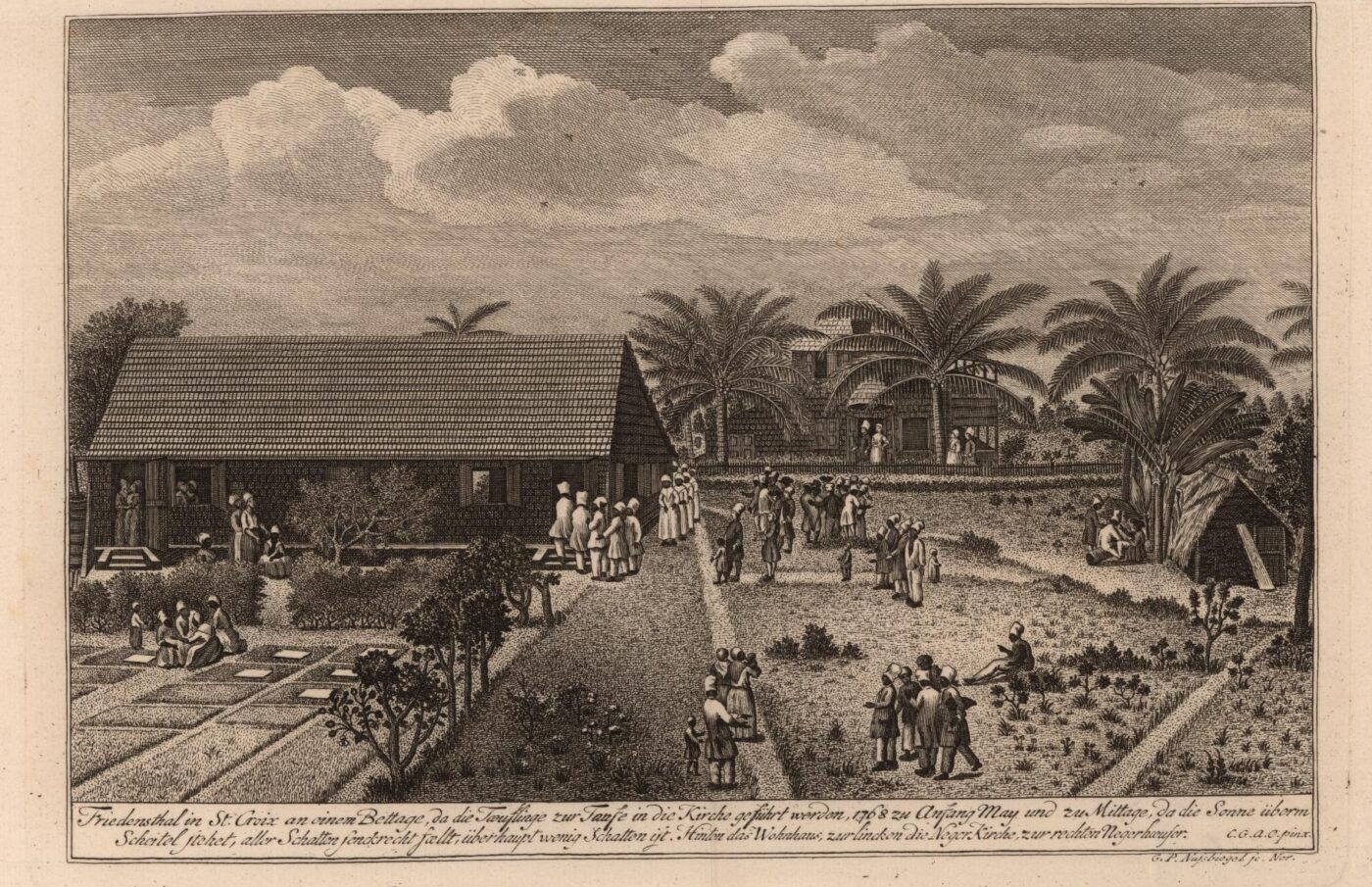
Domingo Gesoe, known as Mingo—Damma’s son—was a literate preacher, scribe, and Moravian leader whose extraordinary life bridged enslavement and influence, West Africa and Europe, and blurred the boundaries between freedom, faith, and power in the colonial Caribbean.
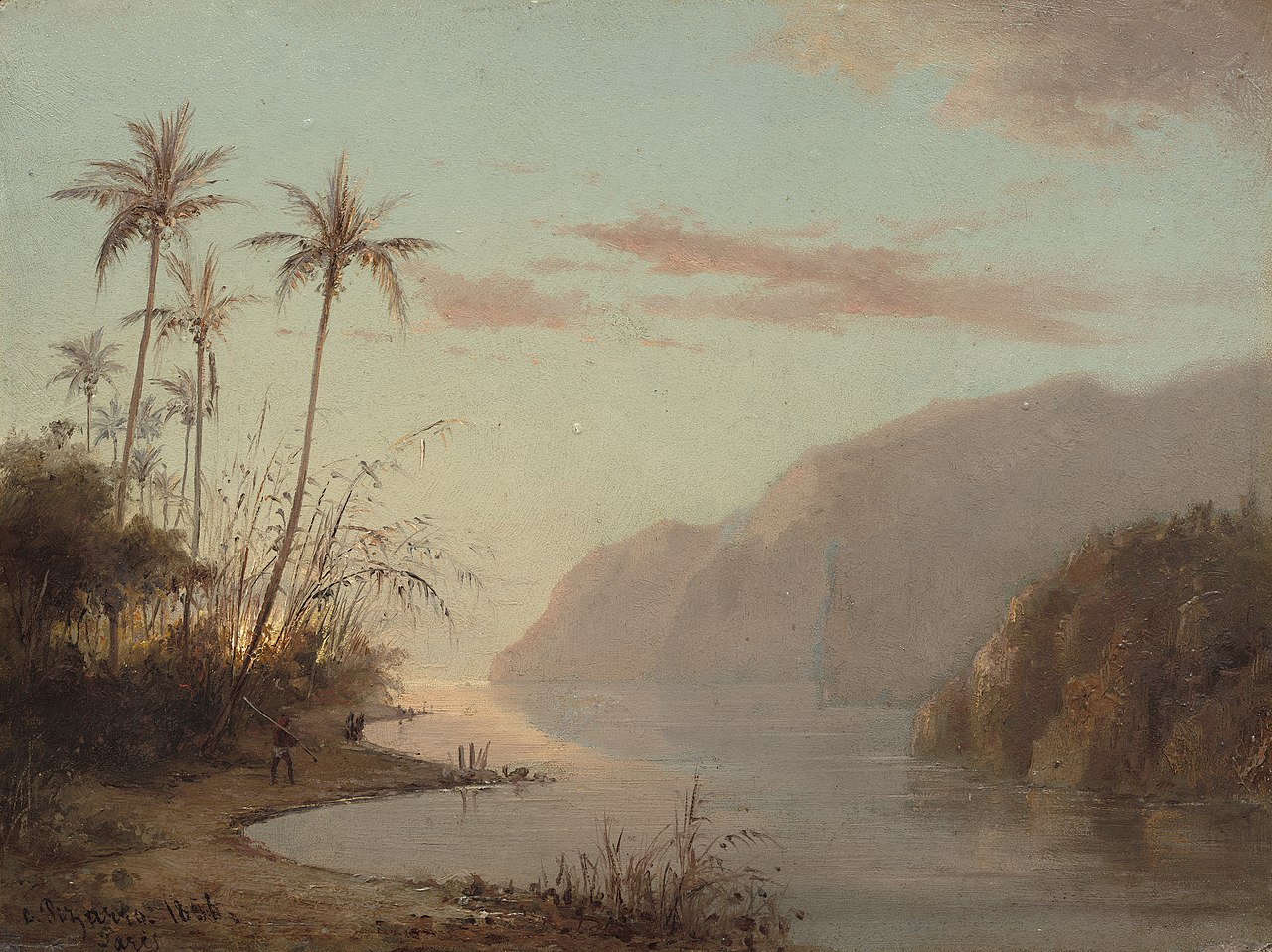
Born in West Africa and later enslaved in St. Thomas, Damma—also known as Marotta and Madlena—navigated captivity, faith, and freedom to become a Moravian elder whose life bridged African spiritual traditions and Caribbean Christianity.
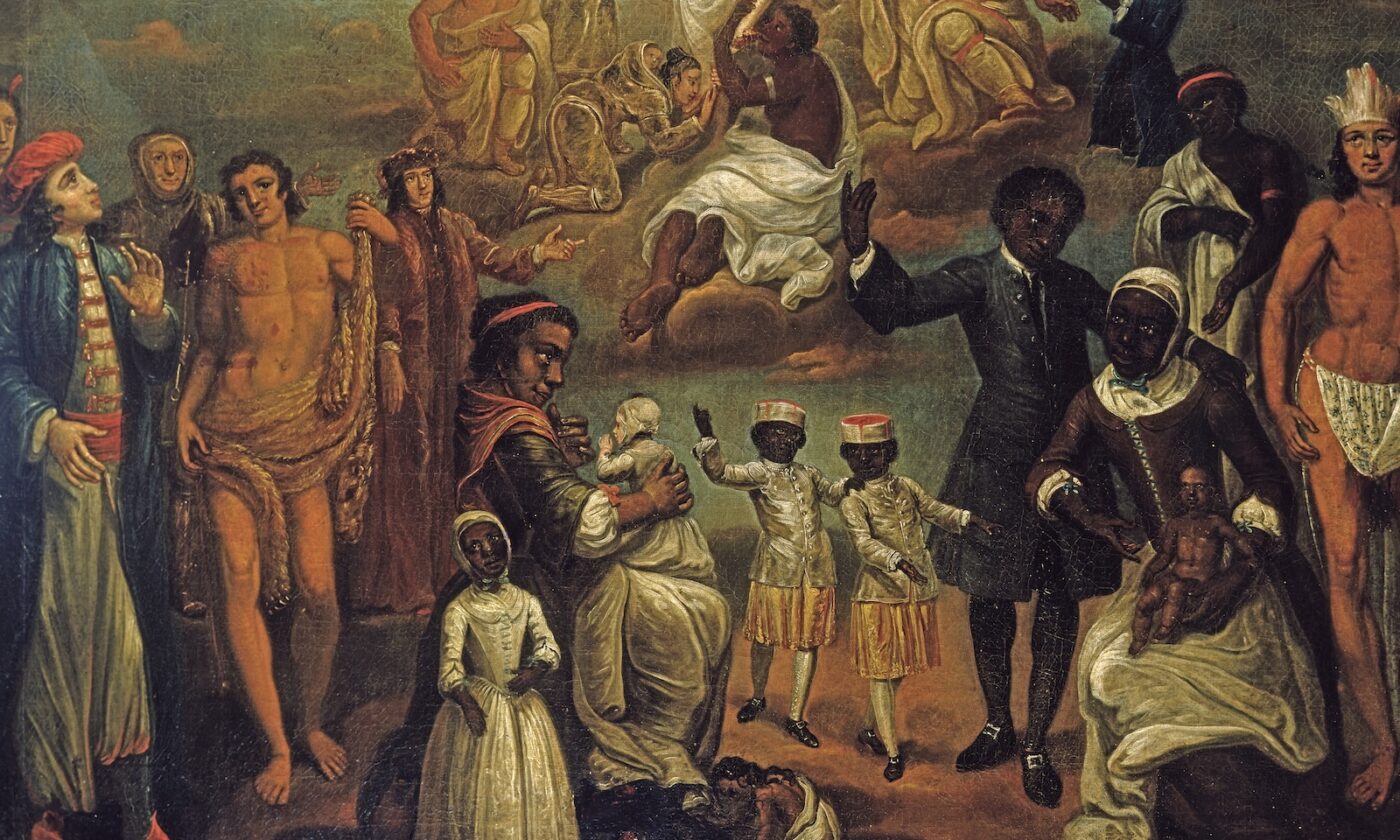
Damma’s letter exposes how the concept of “race” was reshaped across languages and empires, revealing her critique of white Christian supremacy and her call for Black religious freedom in a land where worship meant resistance.
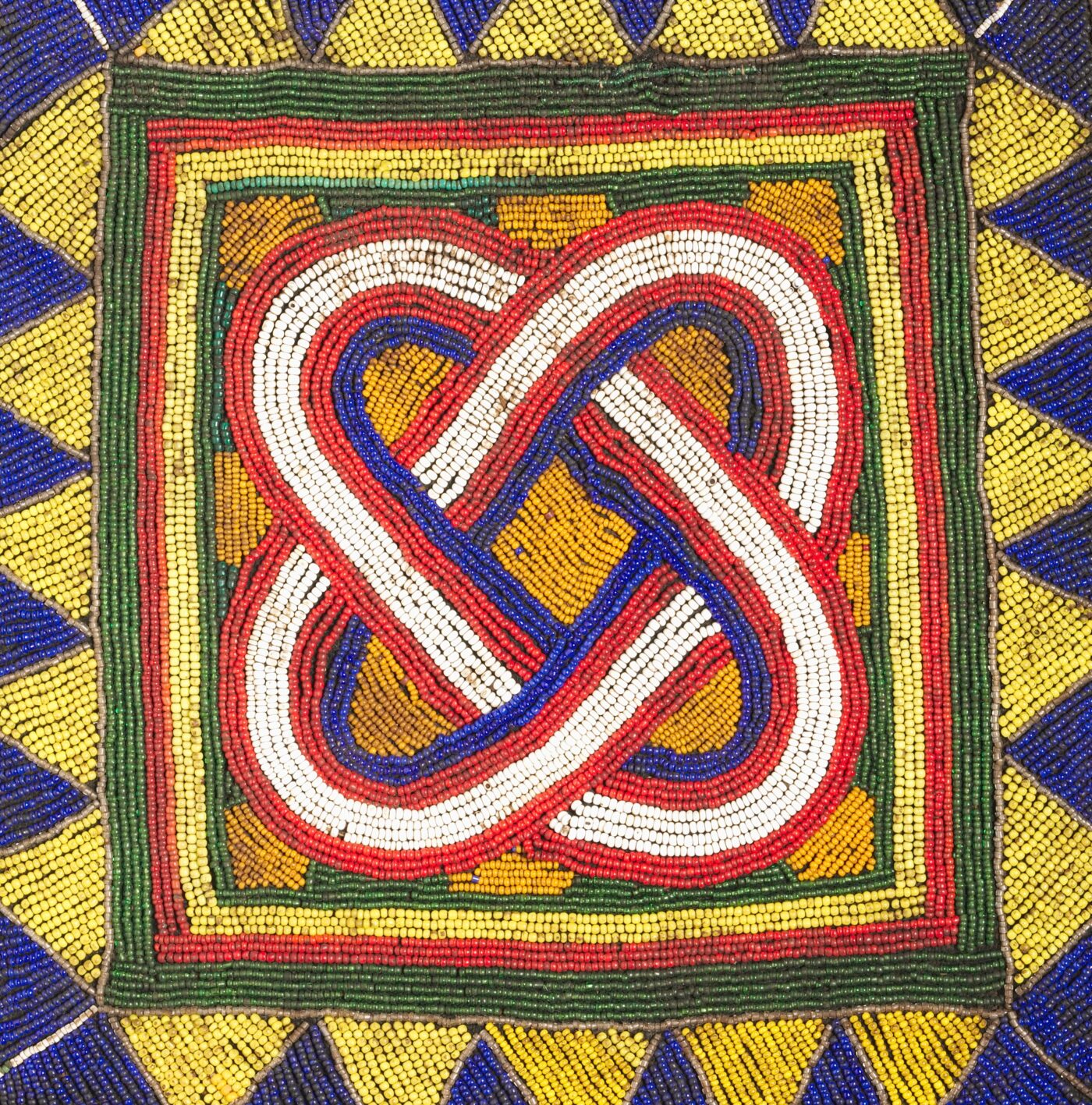
Damma’s letter reveals how the West African deity Mawu—also called Mau, Bruku, and vodu—traveled with her across the Atlantic, embodying both continuity and adaptation in her understanding of God amidst slavery and conversion.
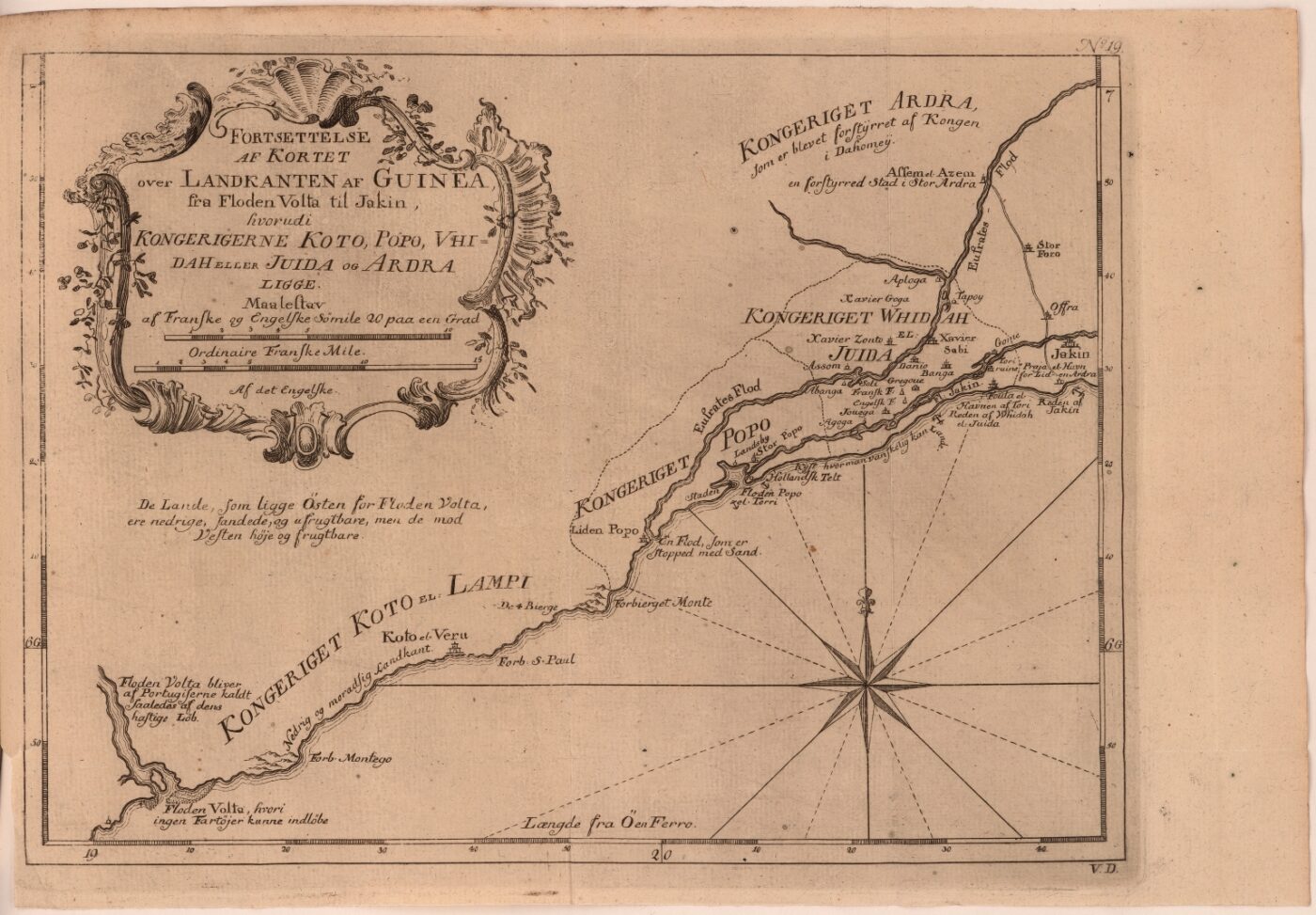
Damma’s shifting use of the terms Popo and adga tome in her letter to the queen of Denmark reveals how African diasporic identities—and the meaning of “nation”—were shaped by language, geography, and the lived realities of transatlantic slavery.